Featured
No-Cost Educational Financial Literacy Workshops Offered ...
Not known Factual Statements About How to Connect With Bu...
An Unbiased View of Shielding Yourself from When is the R...
The smart Trick of How to Begin Now That Nobody is Talkin...
Everything to Know In the Mortgage Help for Low-Income Families: What Options Do You Really Have? : APFSC Journey Fundamentals Explained
Table of Contents
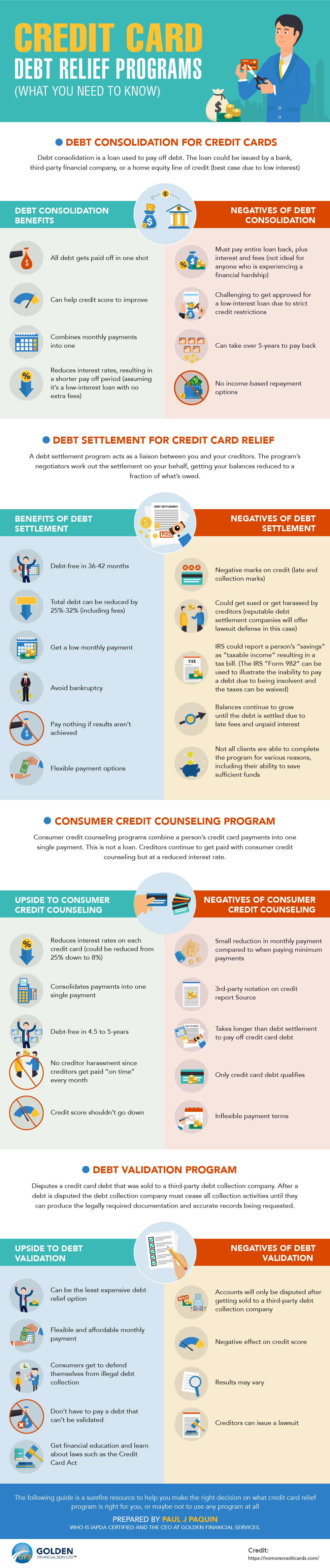
That liberates money in the brief term, and you may have 3 to four years to save towards the negotiation quantity. Really unsafe to credit rating, mostly because of missed repayments and a negative "cleared up" mark that could remain on your credit rating record for up to seven yearsMay be just choice if other options (financial debt consolidation, equilibrium transfer bank card, financial obligation mercy) aren't possibleTypically requires a charge to the 3rd event, which might counter some or every one of the cost savings from financial debt settlementMay assist you avoid personal bankruptcy if you've missed out on numerous paymentsNot all creditors function with financial obligation negotiation companies Financial obligation forgiveness may be appropriate for you if you are experiencing an economic challenge that makes it almost impossible to pay down your financial obligation balances.
With a DMP, you make one regular monthly settlement to the credit scores therapy agency. Those funds are then dispersed to lenders of your unprotected financial obligations, such as charge card and installment loans. The company functions with your financial institutions to decrease rates of interest or waive charges, yet some lenders may reject such concessions.
It can aid you pay down financial debt if you're able to protect a financing rate that's lower than the average price of the accounts you're consolidating. You have to avoid from racking up financial debt on those newly cleared accounts or your financial obligation could expand also higher.
That provides you plenty of time to get rid of or dramatically lower your equilibrium while making interest-free repayments.
All About Documents You'll Need When Pursuing Mortgage Help for Low-Income Families: What Options Do You Really Have? : APFSC
You might need it if your lender or a debt collection agency ever tries to collect on the financial obligation in the future. The letter can prove you don't owe what the debt collection agency's records reveal. Yes, for the most part, the internal revenue service considers forgiven debt as gross income. When a loan provider forgives $600 or more, they are needed to send you Kind 1099-C.
Financial debt mercy or negotiation nearly always harms your credit score. Anytime you work out a debt for much less than you owe, it might show up as "cleared up" on your credit history record and impact your credit report score for 7 years from the date of settlement. Your credit can also drop considerably in the months leading to the forgiveness if you fall back on settlements.
The Best Guide To Restoring Your Credit History the Strategic Way
This situation often results from underreporting earnings, not submitting returns on time, or discrepancies found during an IRS audit. The repercussions of collecting tax obligation financial obligation are severe and can consist of tax obligation liens, which give the IRS a lawful case to your home as security for the financial obligation.
Greater interest prices on offered credit score. Wages and Bank Accounts internal revenue service can levy (take) salaries and checking account to please the financial debt. Lowered revenue and disturbance of important monetary processes. Residential or commercial property Seizure In extreme instances, the IRS can confiscate and market property to cover the debt. Loss of beneficial properties and possible variation.
Social Stigma Dealing with lawful action from the IRS can bring social preconception. Work Opportunities An inadequate credit history score due to tire financial obligation can limit work opportunities. Government Advantages Tax obligation financial obligation might influence eligibility for government benefits, such as Social Safety And Security and Medicaid.
Not known Facts About Actions You Can Take to Recover Your Life
The OIC takes into consideration a number of elements, including the taxpayer's income, expenditures, property equity, and capacity to pay. Efficiently working out an OIC can be intricate, requiring a complete understanding of the IRS's standards and a strong debate for why your offer straightens with your ability to pay. It is very important to keep in mind that not all applications are approved, and the procedure needs thorough monetary disclosure.
The internal revenue service analyzes your total economic situation, including your income, expenses, asset equity, and capacity to pay. You should likewise be present with all filing and payment demands and not be in an open personal bankruptcy proceeding. The internal revenue service also considers your conformity background, reviewing whether you have a document of prompt declaring and paying tax obligations in previous years.
The Ultimate Guide To Comparing Bankruptcy Counseling Services in Today's Market
The application procedure for a Deal in Compromise includes several thorough steps. You have to complete and submit Internal revenue service Kind 656, the Deal in Compromise application, and Type 433-A (OIC), a collection information statement for individuals. These kinds call for extensive monetary details, consisting of information concerning your revenue, debts, expenditures, and properties.
Back taxes, which are unsettled tax obligations from previous years, can substantially enhance your overall IRS financial obligation otherwise dealt with immediately. This financial debt can build up passion and late payment charges, making the original amount owed much larger in time. Failing to pay back taxes can lead to the internal revenue service taking enforcement activities, such as issuing a tax obligation lien or levy versus your residential property.
It is very important to resolve back taxes as quickly as feasible, either by paying the sum total owed or by organizing a layaway plan with the internal revenue service. By taking positive actions, you can avoid the buildup of additional rate of interest and charges, and avoid much more hostile collection activities by the internal revenue service.
One common reason is the idea that the taxpayer can pay the total either as a lump sum or with a settlement strategy. The internal revenue service also takes into consideration the taxpayer's income, expenses, property equity, and future earning capacity. If these factors show that the taxpayer can pay for to pay greater than the offered amount, the internal revenue service is likely to decline the deal.
The 25-Second Trick For How to Not Fall Into New Debt Traps After Debt Relief
It is important to supply accurate and full details in your application and to seek advice from with a tax professional to improve the chances of approval. Dealing with internal revenue service financial debt can be intricate and challenging. Tax obligation experts, such as CPAs, tax obligation attorneys, or enrolled representatives, can provide invaluable assistance. They have the expertise to navigate the complexities of tax obligation regulation and IRS procedures.

Table of Contents
Latest Posts
No-Cost Educational Financial Literacy Workshops Offered by APFSC for Dummies
Not known Factual Statements About How to Connect With Budget Adjustments for Debt Relief and Financial Stability : APFSC Experts Now

An Unbiased View of Shielding Yourself from When is the Right Time to Consolidate Debt for Relief? : APFSC Predatory Practices
More
Latest Posts
No-Cost Educational Financial Literacy Workshops Offered by APFSC for Dummies
An Unbiased View of Shielding Yourself from When is the Right Time to Consolidate Debt for Relief? : APFSC Predatory Practices